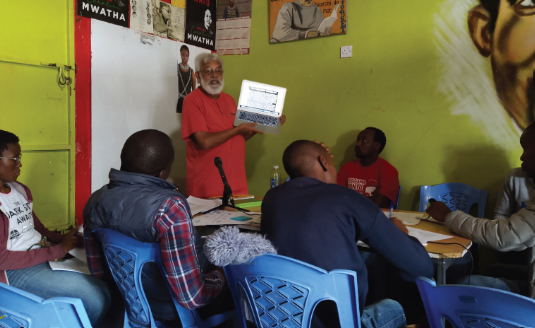
• Meeting

Available courses

This course, Introduction to Marxism in a Kenyan Perspective, provides a foundational understanding of Marxist theory and its relevance to Kenya’s historical and contemporary realities. Developed from the ideas of Karl Marx and Friedrich Engels, Marxism offers a scientific framework for analysing society by examining the relationship between economic systems, social structures, and political power.

The course situates these ideas within Kenya’s unique context, shaped by colonialism, neo-colonialism, and ongoing struggles over land, food, and freedom. It explores how class divisions have developed over time and how they continue to influence inequality, exploitation, and resistance in Kenyan society. By engaging with key concepts such as dialectical materialism, class struggle, and the role of the state, participants will gain tools to critically analyse both global capitalism and local realities.

Ultimately, the course aims to bridge theory and practice by connecting Marxist philosophy to lived experiences in Kenya. It encourages participants to reflect on the possibilities for social transformation and to understand the role of collective action in building a more just and equitable society.


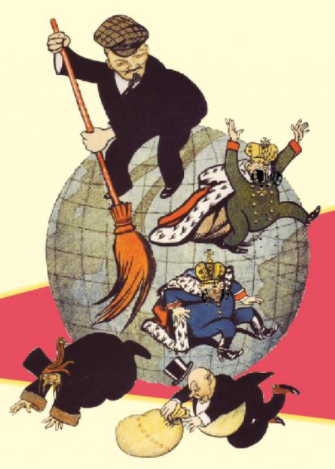
This introductory course examines capitalist development from the 1900s to the present.  Its basic text is Lenin’s Imperialism: the highest stage of capitalism.  This pamphlet of 1916/17 provided the initial key to understanding capitalism’s new, more aggressive and expansionist dynamic once monopoly power had dislocated the previous functioning of competitive capitalism.  The course covers in turn the new type of structural crisis witnessed in the 1930s, how the post-war international monetary system subjected third word producers to a new informal type of imperialism and then at the profound structural crises of the present century.  It concludes by assessing the implications of intensified monopoly concentration for our democracy and for the trade union and labour movement  


The course introduces Marx's analysis of the development of capitalism in general and then examines Kenya's particular path in the context of colonial conquest, the progressive creation of a landless proletariat alongside colonial freedom struggles - and then the creation of a neo-colonial state.  The course considers Kenya's position today in the changing face of external intervention and new internatiomnal alignments.

The course is taught in two parts - each lasting six weeks with a four week break in between.

All necessary materials will be supplied through Moodle and there will be fortnightly zoom sessions for class discussion and debate    

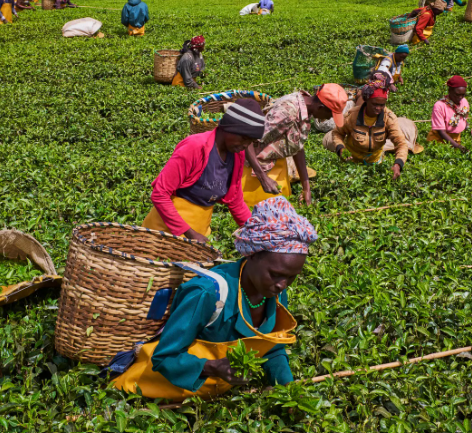
This eight week course provides an introduction to the role of trade unions in a class-based society and how they can exert power against the power of capital and big business.  It is written specifically for Kenyan conditions. Tea plantation